


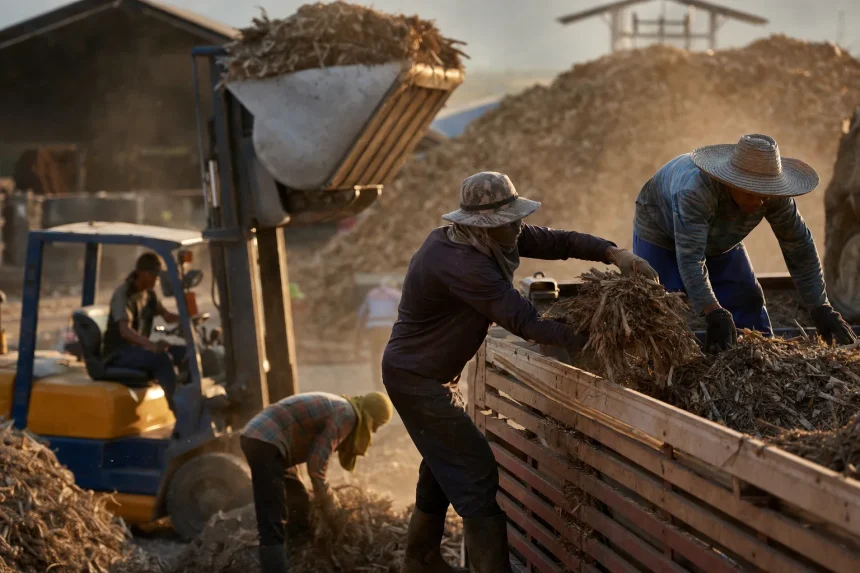
This article examines the impact of rising biomass prices on public procurement in the energy sector.
Market Fluctuations in Biomass Pricing
As the 2026/2027 heating season approaches, the biomass market is witnessing significant price increases. Svetlana Kavina, the business development manager at the biomass exchange “Baltpool”, reported that lower quality biomass raw material prices have risen by approximately 20%, while higher quality materials have seen an increase of around 30%. These fluctuations are attributed to various market dynamics, including supply chain disruptions and increased demand for renewable energy sources. This situation presents challenges for public procurement officials who must navigate these changes while ensuring cost-effectiveness in their energy contracts.
Implications for Public Procurement Strategies
The rising costs of biomass materials necessitate a reassessment of procurement strategies within the energy sector. Public officials may need to consider alternative sourcing options or renegotiate existing contracts to mitigate the impact of increased prices. The situation underscores the importance of flexibility in procurement processes, allowing for adjustments in response to market conditions. Additionally, officials must remain vigilant about the quality of biomass being procured, as the price increases vary significantly between lower and higher quality materials, which could affect overall energy efficiency and sustainability goals.
Future Trends in Energy Procurement
Looking ahead, the trends in biomass pricing may influence broader procurement practices in the energy sector. As the demand for renewable energy continues to grow, public procurement officials will likely face ongoing challenges related to pricing volatility and supply chain reliability. This could lead to an increased emphasis on long-term contracts or partnerships with suppliers to secure stable pricing. Furthermore, the integration of innovative procurement models, such as collaborative purchasing among municipalities, may emerge as a strategy to enhance competitiveness and reduce costs in the face of rising raw material prices.
IN NUMBERS
In conclusion, the recent increases in biomass prices highlight the need for adaptive procurement strategies in the energy sector, ensuring that public officials can effectively respond to market changes while fulfilling their commitments to sustainability.
Reported from db.lv, 2026-08-19. The Tender Wire is published by Otnox.