


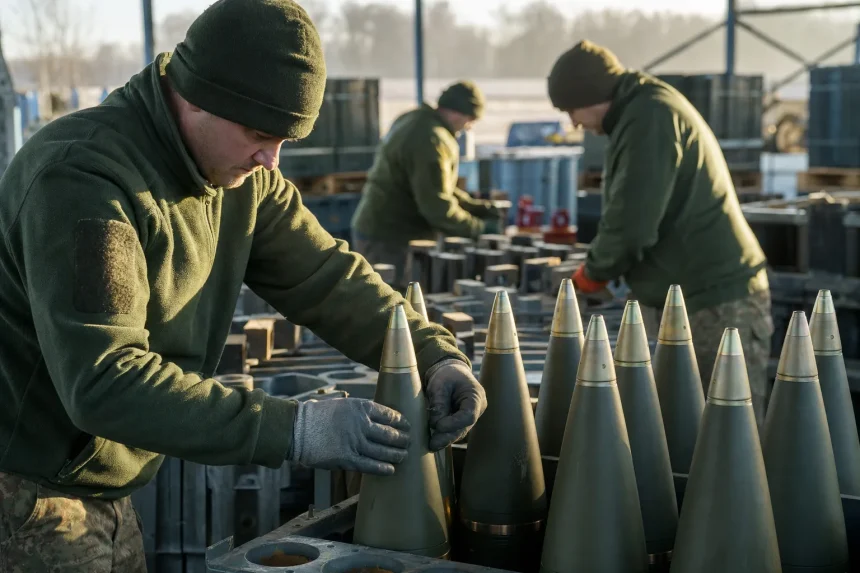
The resignation of Estonia’s Defence Minister Hanno Pevkur has drawn attention to procurement practices within the country’s defence sector, particularly concerning a controversial €70 million ammunition deal for Ukraine.
Background of the Ammunition Contract
The controversy surrounding the ammunition contract arose when it was revealed that Estonia had paid €70 million to a company that had never previously sold artillery shells. This procurement was part of Estonia’s efforts to support Ukraine amidst its ongoing conflict with Russia. The deal was financed through the European Union’s Peace Facility, aimed at providing military assistance to Ukraine. However, the Estonian State Audit Office’s report highlighted significant issues with the procurement process, raising questions about the decision-making and oversight involved in such contracts.
Minister Pevkur’s Response and Resignation
In light of the audit findings, Minister Hanno Pevkur announced his resignation, stating that he was willing to take political responsibility for the situation. Pevkur emphasised that while he was not directly involved in contract negotiations, the comments from the audit office necessitated accountability. His decision reflects a growing trend among officials to resign in response to procurement failures, particularly in defence sectors where transparency and efficiency are critical for national security.
Implications for Estonian Defence Spending
Estonia’s defence spending has seen a dramatic increase since the onset of the Russian invasion of Ukraine in 2022, rising from 2% of GDP to a projected 5.4% by 2026. This surge in spending is part of a broader commitment to enhance national security and support Ukraine. However, the recent procurement issues have raised concerns about the management of these funds. The Estonian government has faced scrutiny regarding its ability to effectively oversee defence contracts, with the State Audit Office warning of the risks of misallocation of public funds.
Future of Defence Procurement in Estonia
Following the resignation, the Estonian government is set to discuss the findings of the audit and the implications for future procurement practices. The Prime Minister has convened a cabinet meeting to address these issues, and a criminal investigation has been initiated regarding the procurement problems identified in the audit reports. As Estonia continues to bolster its military capabilities, the focus will likely shift towards ensuring that procurement processes are transparent, competitive, and accountable to prevent similar issues in the future.
| Label | Value |
|---|---|
| Ammunition Contract Value | €70 million |
| Previous Sales by Company | None |
| Defence Spending as % of GDP (2022) | 2% |
| Projected Defence Spending as % of GDP (2026) | 5.4% |
| Audit Report Release Date | 28 August |
| Delay in Ammunition Delivery | Months |
| Date of Resignation | Date not specified |
| Criminal Investigation Initiated | Yes |
“A leader must have the strength and courage to take responsibility. I must take political responsibility for the entire defence sector and resign as Minister of Defence.”
WHY IT MATTERS
The resignation of a high-ranking official over procurement issues highlights the importance of accountability and transparency in public contracts, especially in the defence sector.
Reported from index.hr, 2026-09-02. The Tender Wire is published by Otnox.