


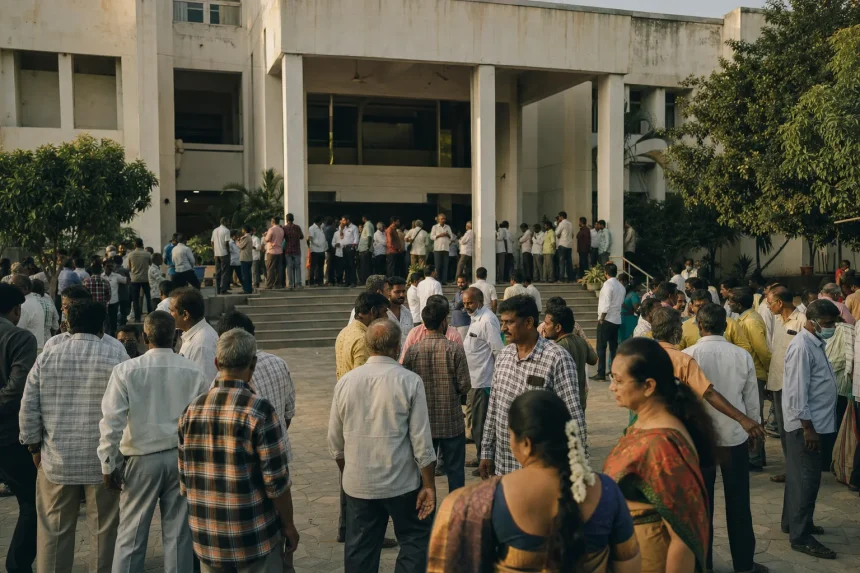
This article examines the implications of the new direct election system for Mayors and chairpersons in Andhra Pradesh.
Overview of the New Election System
The Andhra Pradesh government has implemented a significant change in its electoral process for urban local bodies (ULBs) by introducing direct elections for Mayors and municipal chairpersons. This move, formalised through statutory rules and orders, replaces the previous system of indirect elections, where elected members and ex-officio members selected Mayors. Under the new framework, voters will directly elect their representatives from the electoral rolls, ensuring a more democratic process. Each Mayor or chairperson will serve a five-year term, thereby enhancing accountability and responsiveness to constituents’ needs.
Impact on Procurement Processes
The shift to direct elections is expected to influence procurement processes within ULBs significantly. With directly elected officials, there may be a stronger emphasis on transparency and competition in public contracts, as these leaders will be directly accountable to their constituents. This change could lead to more rigorous scrutiny of procurement decisions and a greater focus on local needs and priorities. Additionally, the rules stipulate a structured approach to elections, including timelines for nominations and result declarations, which could streamline decision-making processes in local governance and procurement.
Preparatory Measures and Timelines
To facilitate the transition to direct elections, the Andhra Pradesh government has outlined specific procedures, including the identification of voters from Scheduled Castes (SC), Scheduled Tribes (ST), Backward Classes (BC), and women for reservation purposes. A 14-day exercise starting September 8, 2026, will focus on this identification across 59 ULBs, with final electoral rolls expected to be published by September 21. These measures are crucial for ensuring that the elections reflect the demographic diversity of the electorate, thereby promoting inclusivity in local governance.
Future Implications for Local Governance
The introduction of direct elections for Mayors and chairpersons marks a pivotal moment in local governance in Andhra Pradesh. This reform is anticipated to foster greater civic engagement and encourage more citizens to participate in the electoral process. As local leaders are held accountable directly to the electorate, there may be a shift towards more community-oriented governance, which could enhance the effectiveness of public service delivery, including procurement. The success of this initiative will depend on the commitment of both elected officials and the electorate to engage actively in the democratic process.
IN NUMBERS
The new direct election system in Andhra Pradesh represents a significant shift towards enhanced democratic participation in local governance, with potential implications for public procurement practices.
Reported from thehindu.com, 2026-09-05. The Tender Wire is published by Otnox.