What legal protections can apply to a contractor’s property and works when a public hospital project is disputed and arbitration has not yet begun?
Appeal follows access to two hospital sites
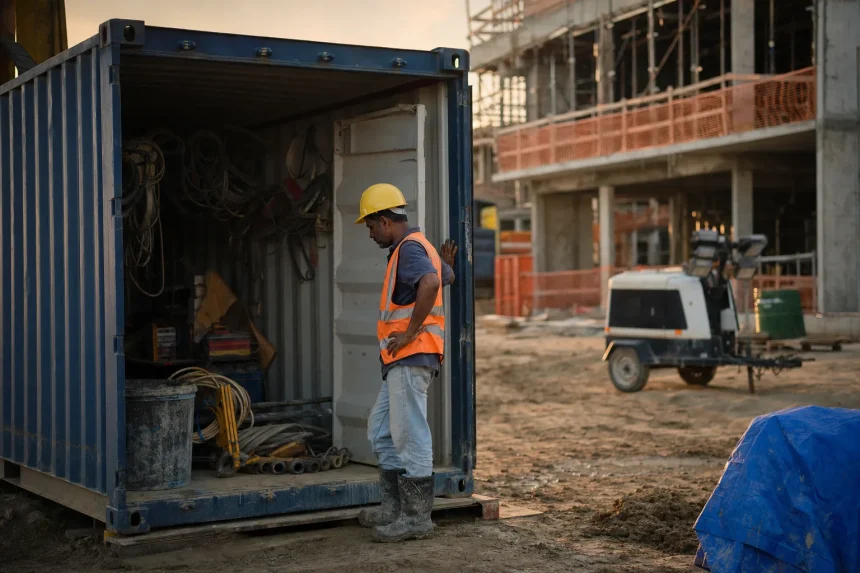
Austrian healthcare infrastructure firm VAMED Engineering GmbH has asked Guyana’s Court of Appeal to overturn a Full Court decision that allowed the government to access the Georgetown Paediatric and Maternal Hospital and New Amsterdam Hospital Campus sites and continue works while arbitration proceeds. VAMED says the Ministry of Health has moved onto the sites and removed, opened or interfered with its property, including 52 containers, cranes, generators, construction equipment and materials. The company alleges that this is causing ongoing and irreparable harm. Those allegations have not been proven. VAMED is also seeking a stay of execution of the Full Court’s order dated September 22, 2026.
The underlying dispute is heading to arbitration
The Ministry of Health and VAMED are heading to arbitration over the contractor’s claim for EUR45.3 million that it says is overdue for certified substantial works, variations, indexation, additional works and other contractual entitlements. VAMED says the claim includes at least EUR19.5 million, while the government’s engineer is said by the company to have estimated the administration’s indebtedness at about EUR37.94 million. The ministry has raised concerns about delays, missed milestones, inadequate mobilisation and an inability to maintain the required pace. It says these issues were recorded in contractual correspondence over many months. The merits of the payment dispute remain unresolved.
The legal issue is preservation, not the final award
The appeal centres on whether a court can protect disputed property before an arbitral tribunal is constituted, and whether such protection is legally different from an injunction against the State. VAMED’s attorney, Nigel Hughes, says the orders made on August 6, 2026 were preservation measures under the court’s inherent powers and the Arbitration Act 2024. They required the parties to protect the sites, containers, equipment and contractor records, and restricted interference with them. The Attorney General’s Chambers argued that section 16 of the State Liability and Proceedings Act prohibits injunctions against the State and that this restriction cannot be avoided by calling the orders preservation measures. The Full Court also found that the orders lacked a necessary statutory basis and conflicted with findings that damages would be an adequate remedy.
IN NUMBERS
The Court of Appeal will now be asked to consider the boundary between interim protection in support of arbitration and orders that regulate the State’s conduct. The case illustrates why contracts for public infrastructure can require clear procedures for site access, possession of materials and protection of work in progress when payment or performance disputes arise.
Reported from demerarawaves.com, 2026-09-26. The Tender Wire is published by Otnox.