This piece examines how repealing an import-quota and tariff decree changes the trade conditions relevant to rice procurement.
A disputed protection measure was withdrawn
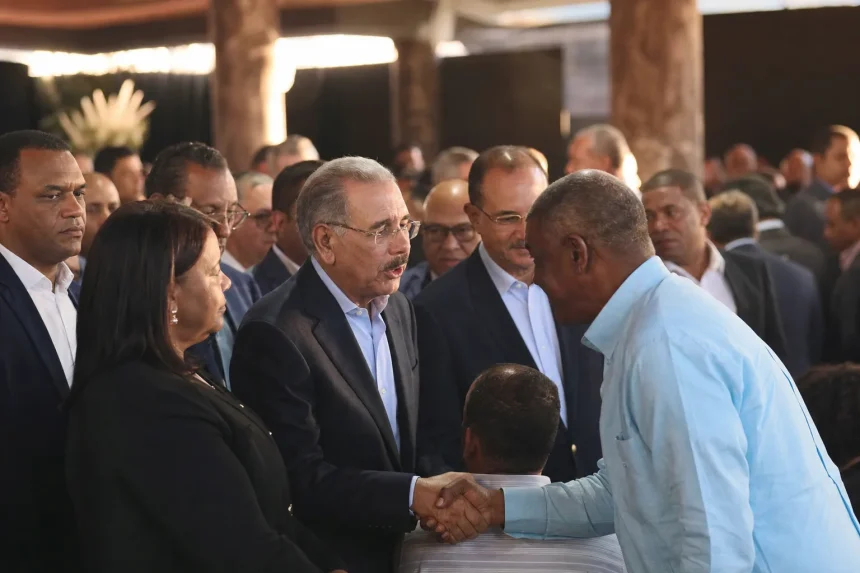
The Dominican Republic repealed a decree that sought to establish quotas and tariffs on rice imported from the United States. The measure had been presented as protection for domestic producers before the free-trade arrangements provided for under DR-Cafta took effect. Former president Danilo Medina criticised the Government over the repeal, saying the decree issued by President Luis Abinader in December contravened the commercial treaty and subsequently had to be withdrawn. Medina made the comments after a Partido de la Liberación Dominicana assembly in Jarabacoa, where he administered the oath to 2,113 new members. The source does not provide the decree’s text or identify the precise provision that prompted its repeal.
What quotas and tariffs do in procurement markets
An import quota limits the quantity of a product that may enter under specified conditions, while a tariff adds a charge to imported goods. Applied to US rice, those tools could change the volume available to buyers and the cost basis used by suppliers when preparing offers. Their repeal means the special restriction described in the decree no longer governs the trade measure at issue, while the source says free trade under DR-Cafta was due to enter into force. For public procurement, the transferable point is that bids for food supplies depend not only on contract terms but also on the import rules applying when suppliers price and deliver.
The political claim remains contested
Medina described the original decree as populist and demagogic, and said the Government had tried to impose it on the United States outside the treaty before changing course. Those are his allegations and political characterisations, not established findings in the supplied account. The Government’s explanation for the repeal is not included, and no ruling, procurement award or price effect is reported. That leaves the central procurement consequence narrow but important: a proposed instrument for shielding domestic rice producers was removed after an alleged conflict with the trade framework. Buyers and bidders would still need to check the rules actually in force for any tender rather than rely on the repealed measure.
IN NUMBERS
The episode shows how trade commitments can determine the conditions under which public buyers and suppliers compete for food contracts, even when no procurement award is mentioned.
Reported from diariolibre.com, 2026-10-11. The Tender Wire is published by Otnox.