This piece explains how Mexico’s proposed digital-payments framework could change public procurement and what conditions would govern a move away from cash.
A payment rule reaching every level of government
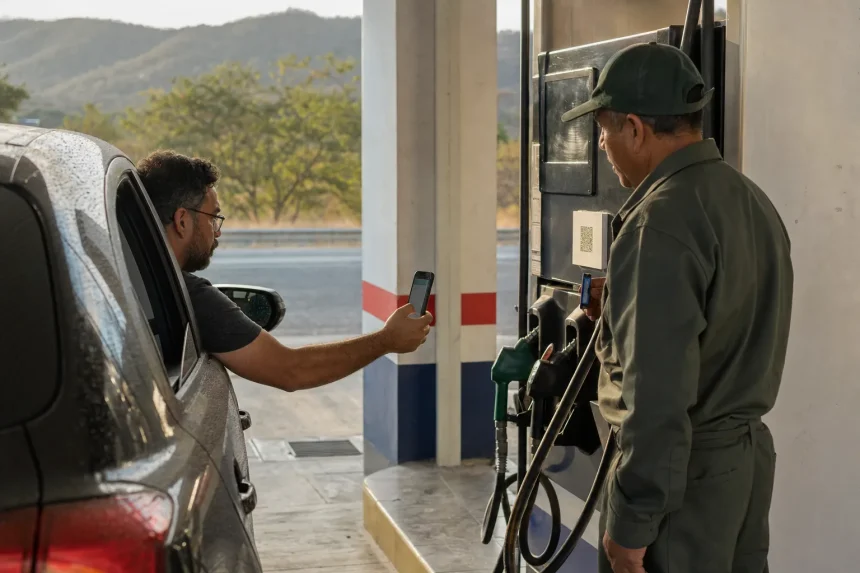
Mexico’s proposed Law on Digital Economy for Digital and Electronic Payments covers the private sector and the three levels of government. The Federation, states and municipalities would have to enable digital payments for procedures and services, potentially affecting how suppliers receive payment and how public bodies collect fees. The framework would also authorise Banxico, in coordination with the CNBV, to require point-of-sale terminal providers to accept QR payments. CoDi would allow a person or business to collect money from a mobile phone, receive it immediately and avoid commissions for customers and merchants.
Sector selection will shape procurement practice
The proposal does not set a general date for ending cash. Hacienda would determine the sectors in which digital payment could be the only option, while sector authorities could establish mechanisms and transition periods. The transitory provisions allow fifteen working days to select sectors and a further fifteen working days to issue rules. For public buyers and bidders, the important mechanism is delegated implementation: the law establishes the direction, but secondary regulation would determine which services, suppliers and transactions must use digital channels, and how exceptions or alternatives operate during the changeover.
Access and fraud risks remain part of the test
The proposal’s supporters in Morena and its allies in the Chamber of Deputies highlighted financial inclusion. Opposition parties questioned the choice of sectors, exclusion and fraud risks, and costs for small businesses and municipalities. No such risks have been proven by the source, but Mexico Evalúa says the proposal lacks methodological criteria and verifiable preconditions. Those conditions could include assessments of connectivity, financial access and costs, consultation with affected parties, training and protection against fraud. Public indicators and alternatives would also matter for people and firms facing barriers.
Digital access is uneven across the market
Existing financial access does not mean that people routinely pay digitally. The ENIF 2024 reported that 76.5% of people aged 18 to 70 had a financial product, a category that includes insurance and retirement savings. Mexico Evalúa found that 85.2% used cash for purchases of up to 500 pesos, while 73.5% used it for higher-value purchases. Connectivity also varies: ENDUTIH 2025 recorded internet use by 93.9% of people in Nuevo León and 78.6% in Oaxaca. For procurement, that points to a need to consider supplier capability, stable connections and digital skills, not merely account ownership.
IN NUMBERS
The proposal could support financial inclusion, business formalisation and traceability, but its practical effect will depend on the rules that follow. Clear sector criteria, transition arrangements, data safeguards, fraud responses and coordination among Hacienda, Banxico and sector authorities will determine whether digital payment requirements widen participation or create avoidable barriers. The proposal’s alignment with the Monetary Law will also need to be clarified.
Reported from eleconomista.com.mx, 2026-10-19. The Tender Wire is published by Otnox.