What will Malta’s planned performance audit examine about the delivery and effectiveness of publicly supported integration programmes?
Audit remains at the planning stage
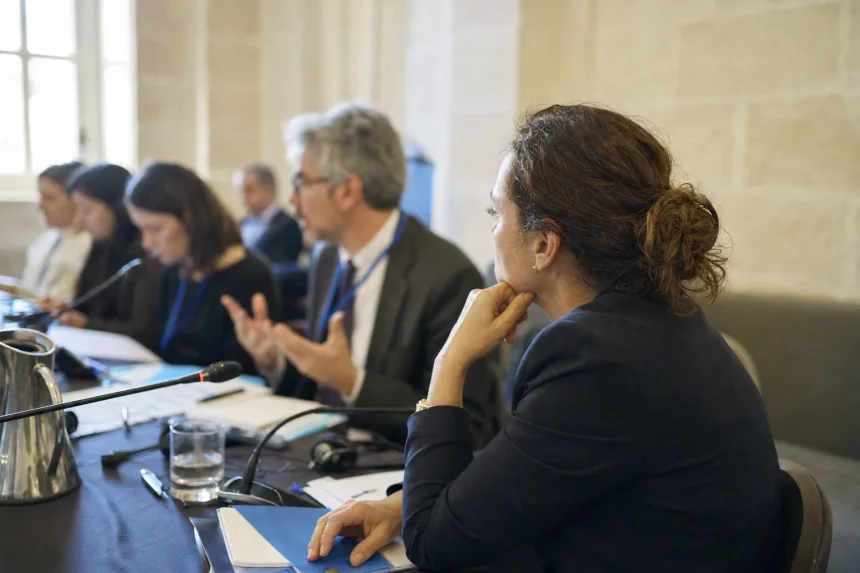
Malta’s National Audit Office is preparing an audit of educational and integration programmes for adult third-country nationals, including beneficiaries of international protection. Auditor General Charles Deguara announced the plan at a European seminar on migration, integration and social cohesion. The review will give particular attention to I Belong, a programme administered by the Human Rights Directorate and delivered by MCAST and the University of Malta. Deguara stressed that the audit remains at the planning stage and that any conclusions will depend on the evidence gathered. No finding of waste, poor performance or wrongdoing has been made.
A performance audit looks beyond expenditure
The proposed review illustrates the difference between checking whether money was spent properly and assessing what public spending achieved. Deguara said performance audits examine whether resources are being used economically, efficiently and effectively, and whether policies are delivering their intended outcomes. That approach can consider how a programme is organised, whether people can access it and whether its stated objectives are being met. I Belong has two levels and is intended to help non-EU nationals understand Maltese society and integrate into life in the country. Numerous third-country nationals have faced lengthy waiting lists for the course, raising questions about access that the audit may examine.
Responsibilities cross institutional boundaries
Deguara said migration and integration were difficult to audit because responsibilities are spread across ministries, agencies, local authorities and service providers. The planned work will therefore have to consider how those parts of the public system operate together, while auditors maintain independence, objectivity and impartiality. He said audit institutions were not responsible for deciding migration policy, but for providing independent evidence on whether existing policies were being implemented effectively. Enriqueta Chicano Jávega, president of the Spanish Court of Auditors, similarly said auditors should distinguish verified facts from perceptions and assessments. She also said audit institutions could not resolve migration challenges alone.
Wider concerns were raised at the seminar
Academic Maria Pisani said foreign nationals accounted for 40 per cent of Malta’s workforce and argued that the country’s integration policy stopped short of providing a route to citizenship. She questioned whether meaningful integration and social cohesion could be achieved without addressing racism, migrants’ living and working conditions, and barriers to political participation, representation and citizenship. Pisani also criticised budget measures affecting third-country nationals without long-term residency, including charges connected with private vehicles and work-permit renewals. These were her arguments about wider policy and treatment, not findings of the National Audit Office. The audit’s conclusions will depend on evidence still to be collected.
IN NUMBERS
The planned audit places access, delivery and outcomes alongside expenditure in the scrutiny of integration programmes. Its eventual evidence may help public authorities assess whether existing arrangements are working as intended, without determining Malta’s migration policy.
Reported from timesofmalta.com, 2026-11-11. The Tender Wire is published by Otnox.