
Ghana’s Parliament is calling for closer cooperation between government, investors and private waste management companies as the country reviews its sanitation system. The appeal covers collection and disposal, but also recycling and other approaches intended to manage increasing volumes of waste.
A broader role for private operators
The Select Committee on Sanitation and Water Resources says government and private investors should support major service providers in the sanitation sector. Committee chairman John Oti Bless said stronger partnerships were needed to expand providers’ capacity and deliver more effective services to the public. His comments came as indiscriminate waste disposal remains a concern in Ghana. The statement does not announce a particular contract or procurement process, but it identifies service capacity, collection, disposal and recycling as areas in which public and private organisations may need to work together. For businesses, that points to potential opportunities around operational support and sustainable waste services, subject to any future requirements issued by public authorities.
Collaboration is a delivery model, not just a funding appeal
The committee’s position illustrates a procurement issue that can arise in essential public services: government may set the policy direction and oversee delivery, while private companies contribute equipment, operational expertise, investment or specialist services. In this case, Mr Oti Bless urged government and investors to collaborate with the major service provider rather than treating waste management as collection alone. A partnership of that kind can require clear allocation of responsibilities, measurable service expectations and arrangements for facilities and recycling. None of those terms has been published in the source report. The transferable point for prospective suppliers is that collaboration can widen the range of capabilities sought, while the public body still needs to define the service gap and how performance will be assessed.
Regional inspections are testing the state of delivery
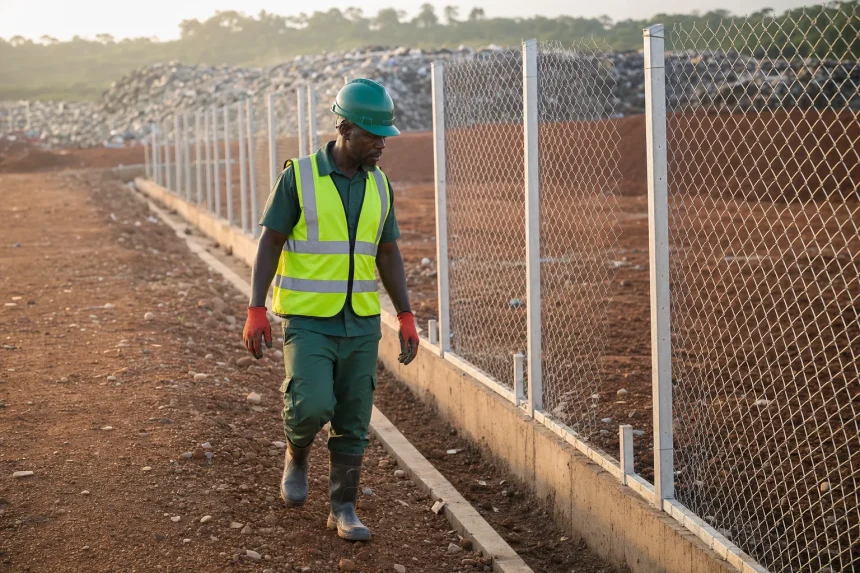
The committee is carrying out a nationwide assessment of sanitation facilities and waste management operations. It has inspected facilities in the Oti and Volta regions, where fencing and other preparatory works are ongoing. Mr Oti Bless said the committee was impressed with how waste was being handled in those regions and expressed optimism that government and other stakeholders would provide the support needed to make the facilities and initiatives fully operational. The inspections therefore provide a picture of delivery on the ground, including whether sites are ready for use. The source does not say that the works were awarded through a tender or identify any contractor, so the assessment should not be read as evidence of a contract award.
Monitoring findings will inform future action
The nationwide monitoring exercise will continue in several other regions. Its findings are expected to help Parliament assess gaps in Ghana’s sanitation system and inform efforts to improve waste management across the country. That creates a link between oversight and future service planning: evidence from facilities and operations can help identify where collection, disposal, recycling or site preparation needs attention. For public buyers, the exercise may support clearer definitions of need before any future purchasing or partnership decisions. For suppliers, the committee’s emphasis suggests that proposals focused only on removing refuse may not address the wider policy direction. Recycling and other sustainable approaches are explicitly part of the committee’s call, although no timetable, budget or future tender has been provided.
| Fact | Detail |
|---|---|
| Country | Ghana |
| Parliamentary body | Select Committee on Sanitation and Water Resources |
| Committee chairman | John Oti Bless |
| Regions inspected | Oti and Volta |
| Works observed | Fencing and other preparatory works |
| Assessment scope | Sanitation facilities and waste management operations nationwide |
| Approaches highlighted | Collection, disposal, recycling and other sustainable approaches |
Ghana’s waste management efforts should go beyond simply collecting and disposing of refuse.
WHY IT MATTERS
The committee’s appeal signals that future waste-management planning may need to combine collection and disposal with recycling, facility readiness and operational capacity. No procurement has been announced, but public and private organisations may wish to track the assessment’s findings and any subsequent requirements.
Reported from myjoyonline.com, 2026-09-20. The Tender Wire is published by Otnox.