


Small markets are usually dismissed on volume, and the dismissal skips the more interesting question of what a record actually contains. Liberia produces a fraction of the notices a mid-sized European country does, and it produces them with every field that matters filled in — including the two fields most European records omit entirely.
THE FILE
Who they are
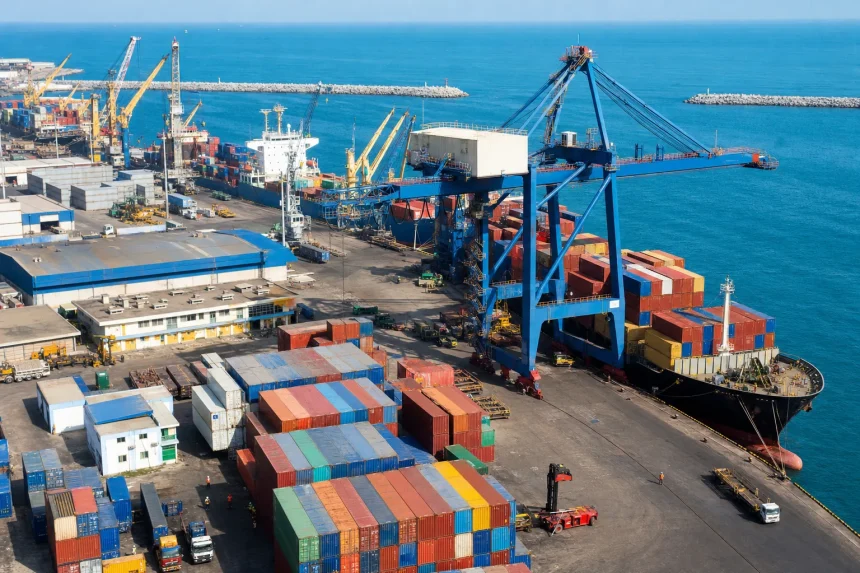
The National Port Authority runs Liberia’s seaports, and it leads the national record with 25 notices in the recent sample, ahead of the Ministry of Posts and Telecommunications at 18 and Public Works at 15. For a country of Liberia’s size that is a concentrated field, and the institutions in it are the ones that would be expected: ports, telecommunications, roads. The median notice across the market sits at $75,000, which places most of the activity within reach of a regional supplier rather than an international contractor.
Set against the fields most records leave empty, the Liberian one is unusual for what it does not omit.
| Buyer | Notices |
|---|---|
| National Port Authority | 25 |
| Ministry of Posts and Telecommunications | 18 |
| Ministry of Public Works | 15 |
Why this record is worth more than its size
Liberia denominates its public procurement in US dollars, which is unusual and analytically valuable: every figure is directly comparable with every other, with no exchange rate to apply or defend. On top of that the record carries a value on every notice, names the winner on every award, and records the number of bids received on all of them. That combination — price, outcome and competitive density, all present — exists in almost no European market. It means a supplier considering entry can establish, before committing, both what these contracts are worth and how many competitors typically appear, which is the pair of facts that actually determines whether a bid is worth writing.
WHAT THE FILE SHOWS
Completeness and scale are independent, and conflating them is how well-documented small markets get overlooked. Liberia’s record is small enough to read in an afternoon and complete enough to answer the questions that matter, which is the reverse of the usual position — large European records that take weeks to process and still cannot say how contested anything was. For a supplier the practical consequence is that due diligence here is cheap and conclusive, and that is rare enough to be worth the trip on its own.
Data: Otnox — live procurement intelligence across 56 markets. Basis: recent published Liberian notices, 2026-06-26..2026-07-26.