


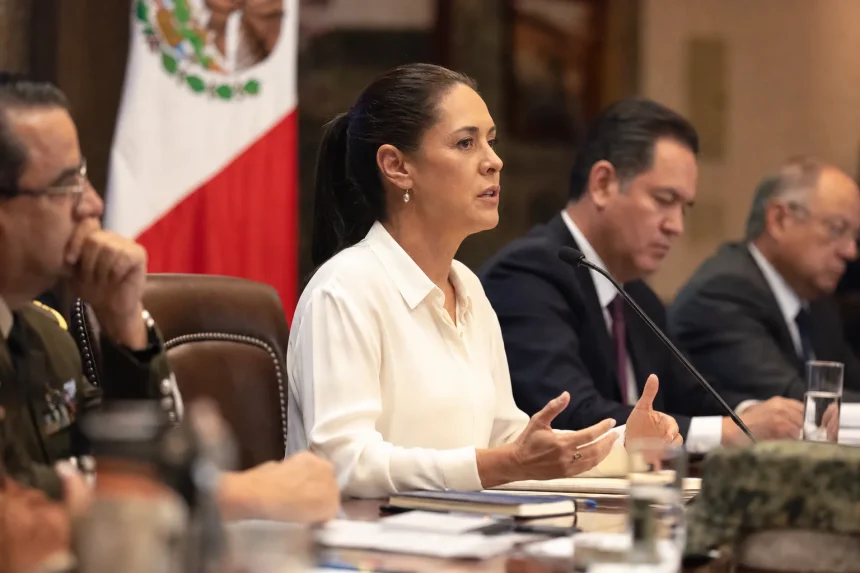
In a significant move, the Costa Rican government has declared a wide range of public procurement information as state secrets, citing national security concerns. This decision, formalised through Executive Decree No. 45870 MSP, restricts access to crucial operational and financial data related to public purchases, which typically fall under public scrutiny.
Details of the Executive Decree
The Executive Decree No. 45870 MSP, published on 10 August 2026, classifies various types of information as state secrets, including operational reports, intelligence documents, and financial data related to national security. This decree particularly affects the National Security Council and the Directorate of Intelligence and National Security (DIS), as well as any inter-institutional coordination directed by the presidency. By limiting access to this information, the government aims to prevent criminal organisations from exploiting vulnerabilities within state security operations.
Justifications for Secrecy
The Costa Rican government, led by President Laura Fernández Delgado and Minister of Public Security Gerald Campos Valverde, justifies this classification by highlighting the country’s geographical vulnerability to drug trafficking and organised crime. They argue that disclosing operational tactics and procurement details could jeopardise state security and the safety of public officials. The decree aims to protect sensitive information that could expose weaknesses in the state’s security apparatus, thereby ensuring effective responses to criminal activities.
Concerns Over Transparency
Critics of the decree express significant concerns regarding its implications for democratic oversight and transparency in public spending. Some lawmakers argue that the expansive classification of procurement data undermines accountability and could allow for misuse of public funds without proper scrutiny. They contend that citizens have a right to know how public resources are allocated, especially in light of previous allegations of political persecution linked to the DIS. Legal experts also caution that the decree may violate international human rights standards by excessively restricting access to information.
Potential Impact on Public Procurement
The declaration of state secrets poses a considerable challenge for businesses engaged in public procurement. With the identities of suppliers and contractors concealed, companies may find it difficult to navigate the bidding process and ensure fair competition. The lack of transparency could deter potential bidders, leading to reduced competition and potentially higher costs for the government. As the procurement landscape evolves under these new restrictions, stakeholders will need to adapt to ensure compliance while advocating for greater transparency.
| Label | Value |
|---|---|
| Decree Number | 45870 MSP |
| Date Published | 10 August 2026 |
| Classified Entities | National Security Council, DIS, Fuerza Élite |
| Scope of Secrecy | Operational, tactical, and financial information |
| Legal Basis | General Law of Public Administration, General Police Law |
| Critics’ Concerns | Impact on democratic control and transparency |
| Potential Risks | Reduced competition in public procurement |
The decree could become a tool to hide decisions and expenditures that should be subject to public scrutiny.
WHY IT MATTERS
This decree raises significant questions about the balance between national security and public accountability, affecting how procurement processes are conducted.
Reported from elfinancierocr.com, 2026-08-11. The Tender Wire is published by Otnox.