


This article examines a recent court ruling that impacts public procurement practices in Costa Rica.
Background of the Dispute
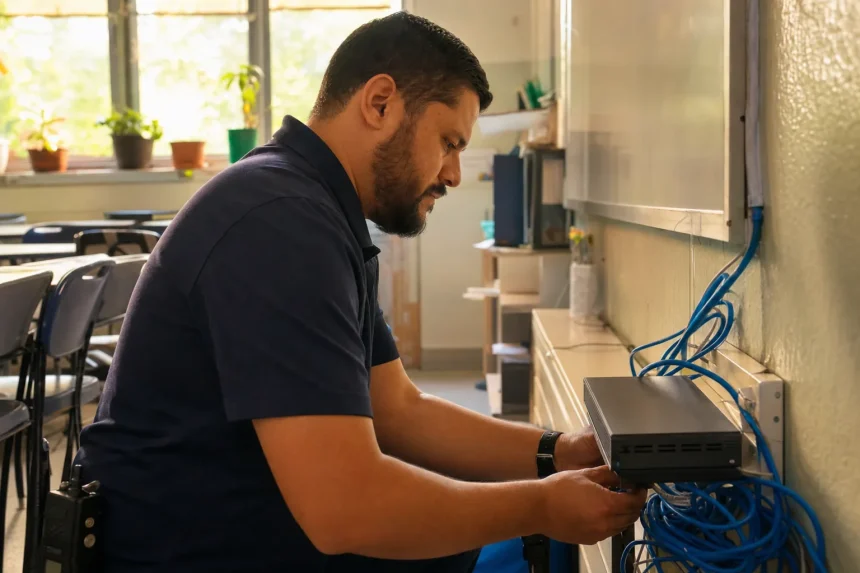
The recent ruling by the Tribunal Contencioso Administrativo has significant implications for the Instituto Costarricense de Electricidad (ICE) and its ongoing contracts. The court granted a provisional measure that allows ICE to continue executing contracts that have come under scrutiny from the Contraloría General de la República (CGR). This dispute arose after the CGR questioned ICE’s use of private partnerships in managing essential services, arguing that these collaborations were illegitimate and that ICE had improperly delegated substantial tasks to private firms. The court’s decision is seen as a crucial step in maintaining service continuity for projects such as the Expediente Digital Único en Salud (EDUS) and internet connectivity in educational institutions.
Implications for Public Procurement
The ruling highlights the complexities of public procurement in Costa Rica, particularly regarding the balance between public institutions and private partnerships. The CGR’s investigation into ICE’s contracts with ten public entities raised concerns about the legitimacy of direct procurement processes. The court’s decision to uphold ICE’s contracts suggests a potential conflict between regulatory oversight and the operational needs of public services. This case underscores the importance of clear guidelines and transparency in procurement practices, especially when public entities engage with private companies. As the situation evolves, it may prompt further discussions on the regulations governing public-private partnerships in the country.
Future Considerations for ICE and CGR
Looking ahead, the ICE must navigate the implications of this ruling while addressing the concerns raised by the CGR. The court’s decision does not resolve the underlying issues regarding the legitimacy of ICE’s procurement methods but rather provides temporary relief. ICE has indicated its intent to continue contesting the CGR’s orders, which may lead to further legal proceedings. As public institutions reassess their procurement strategies, this case may serve as a precedent for future contracts and partnerships. Stakeholders will need to monitor how this ruling influences procurement policies and the relationship between public entities and private contractors in Costa Rica.
IN NUMBERS
The court’s ruling serves as a critical reminder of the ongoing challenges and considerations in public procurement, particularly in balancing efficiency and compliance.
Reported from nacion.com, 2026-08-20. The Tender Wire is published by Otnox.