


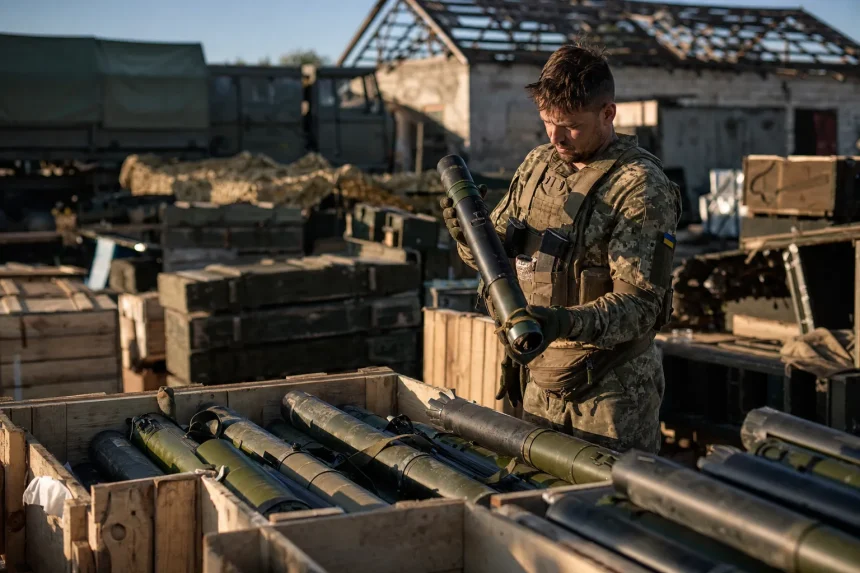
This article examines France’s push for increased EU oversight of Ukraine’s procurement practices related to military funding.
EU Loan Conditions and Procurement Practices
The European Union has provided Ukraine with a substantial €90 billion loan, intended to bolster the country’s defence capabilities amid ongoing conflict. A key stipulation of this funding is that at least 65% of the allocated resources must be spent on defence products sourced from European suppliers. This requirement aims to support the EU’s defence industry while ensuring that Ukraine’s military needs are met through reliable channels. However, there are provisions allowing Ukraine to seek exceptions, which raises questions about the effectiveness of the procurement process and the oversight mechanisms in place.
France’s Position on Procurement Oversight
France has taken a firm stance on the need for stricter oversight by the European Commission regarding how Ukraine utilises the funds from the EU loan. The French government argues that increased scrutiny is essential to ensure that the financial support is used effectively and in alignment with EU objectives. This call for oversight reflects broader concerns about transparency and accountability in public procurement, particularly in the context of military expenditures, which can often be subject to mismanagement or corruption.
Challenges in Meeting Procurement Requirements
While the EU’s procurement rules are designed to favour European suppliers, Ukraine retains the right to pursue arms from third countries under specific circumstances. If European weapons are deemed too expensive, unsuitable for Ukraine’s needs, or if timely delivery cannot be guaranteed, Ukraine can source from non-EU nations. This flexibility is crucial for Ukraine, which faces urgent military requirements. However, it also complicates the EU’s goal of fostering a unified defence procurement strategy, as reliance on external suppliers may undermine the intended economic benefits for European manufacturers.
IN NUMBERS
As the situation evolves, the balance between supporting Ukraine’s defence needs and ensuring compliance with EU procurement regulations remains a critical issue.
Reported from pmo.ee, 2026-08-26. The Tender Wire is published by Otnox.