

A recent investigation into water tanker procurement in Mpumalanga’s Nkangala District highlights significant issues in service delivery and procurement practices. Originally intended as an emergency measure, the reliance on water tankers has become a long-term solution, raising concerns about accountability and the effectiveness of municipal spending.
Emergency Measure Becomes Long-Term Reliance
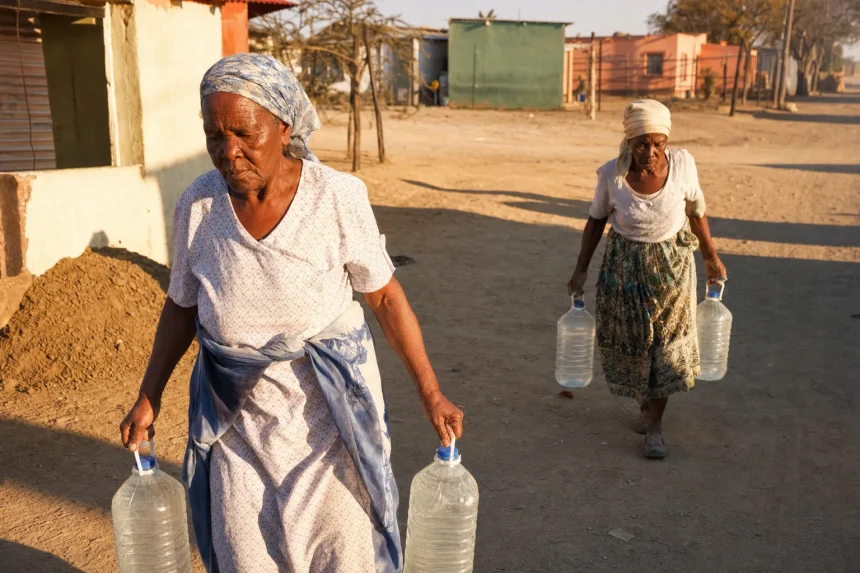
In Mpumalanga’s Nkangala District, the reliance on water tankers has shifted from a temporary emergency response to a long-term solution for many communities. Municipalities such as Emalahleni and Thembisile Hani have struggled with recurring droughts and ageing infrastructure, resulting in a significant number of residents depending on erratic tanker deliveries. The Lynnville office water depot in Emalahleni and the Vezubuhle Gundry Water supply in Thembisile Hani were designed to provide piped water, but failures in these systems have left many without reliable access. This has led to frustration among residents who are forced to rely on a system that was never intended to be permanent.
Financial Disparities and Lack of Accountability
Despite substantial public expenditure on water tanker services, residents in Nkangala report ongoing issues with delivery and accountability. Emalahleni Local Municipality spent approximately R46-million on these services in a single year, while Thembisile Hani reportedly spent over R21-million across four financial years. However, many residents express uncertainty about the reliability of these deliveries and whether they are being charged fairly. Reports indicate that payments are often made directly to tanker drivers rather than through official municipal channels, raising concerns about the transparency of financial transactions and the potential for misappropriation of funds.
Community Impact and Health Risks
The consequences of this procurement system extend beyond inconvenience; they pose serious health risks to residents. Many communities, especially in Emalahleni and Thembisile Hani, have become reliant on JoJo tanks, which frequently run dry. Residents report going weeks without water, forcing them to seek unsafe alternatives from streams or rivers. This not only exacerbates the water crisis but also raises public health concerns as some tanker drivers have been observed collecting water from unsafe sources. The situation has created a cycle of dependency on a service that is inconsistent and fraught with challenges, leaving vulnerable households at risk.
| Label | Value |
|---|---|
| Emalahleni Local Municipality expenditure on water tankers (one year) | R46-million |
| Thembisile Hani Local Municipality expenditure on water tankers (four years) | over R21-million |
| Reported weeks without water for some residents | up to 8 months |
| Cost for 5,000-litre delivery from private providers | R450 |
| Cost for 2,500-litre delivery from municipal driver | R300 |
“Water is a basic service, yet we are forced to pay for something that should be provided by the municipality.”
WHY IT MATTERS
The ongoing issues with water tanker procurement in Nkangala highlight the critical need for effective public procurement practices that ensure accountability and reliable service delivery.
Reported from dailymaverick.co.za, 2026-08-16. The Tender Wire is published by Otnox.