

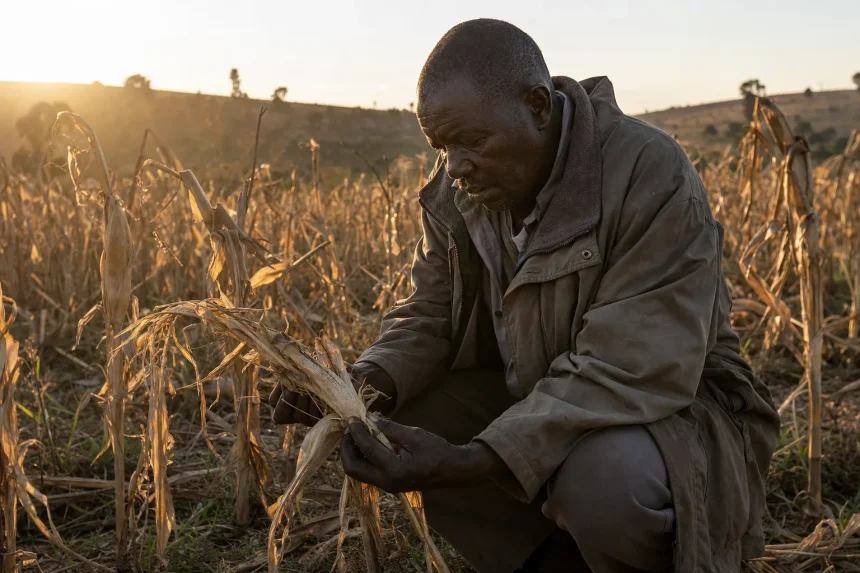
A Sh26 billion maize import tender has placed Kenya’s choice of importer and the cost to the public under scrutiny as the country responds to a severe production shortfall.
A large contract amid a supply shortfall
Kenya is racing to secure maize after what the report describes as its worst production shortfall in years. The proposed deal would bring in 540,000 metric tonnes from Zambia at a stated value of Sh26 billion. Against that food-security backdrop, a little-known private company has moved to the centre of the arrangement. The report does not establish that the company acted improperly, or that the contract was awarded unlawfully. It does, however, identify unresolved questions about who selected the importer, how the deal was structured and how much the public will ultimately pay.
What the importer-selection process means
An import tender is a procurement process for securing goods from a supplier or intermediary, with the buyer expected to define the requirement, assess bids against stated conditions and document the basis for its decision. For businesses, the transferable issue is that access to the opportunity and the selection criteria should be sufficiently clear for potential bidders to understand how competition will work. For the public, the key record is the link between the selected importer, the volume, the price and the terms of delivery. In this case, the report says those features have prompted questions, but it does not set out the tender documents or the selection decision.
Questions over value and accountability
The reported concerns go beyond the identity of the company. They include how the transaction was designed and what the final cost to the public will be. Those are material issues in a food import, where the contract value, quantity and country of origin are central to assessing value for money. The article presents these as questions surrounding an opaque tender, not as proven findings of fraud, misconduct or overpricing. Until the responsible authorities publish or explain the relevant process, potential suppliers and citizens are left without the information needed to judge whether the arrangement delivered meaningful competition.
A procurement test during a food crisis
The urgency created by a production shortfall can make rapid purchasing necessary, but urgency does not remove the need to explain how an importer was chosen or how the public interest is protected. The Zambia shipment gives the procurement debate a concrete scale: 540,000 metric tonnes and Sh26 billion. It also shows why emergency or time-sensitive buying can attract scrutiny when a private intermediary is not widely known. The report leaves the central matters open, including the selection route, the structure of the deal and the eventual public cost. No wrongdoing has been proven in the account supplied.
| Fact | Details |
|---|---|
| Contract value | Sh26 billion |
| Maize volume | 540,000 metric tonnes |
| Source country | Zambia |
| Procurement | Import tender |
| Company involved | A little-known private company |
| Context | Kenya’s worst production shortfall in years |
The report leaves open who selected the importer, how the deal was structured and how much the public will ultimately pay.
WHY IT MATTERS
When a public buyer uses a tender to secure essential goods, clarity about the importer, selection method, contract structure, quantity and price helps potential suppliers understand the opportunity and enables the public to assess value for money. The source article raises questions about those matters; it does not prove wrongdoing.
Reported from standardmedia.co.ke, 2026-09-23. The Tender Wire is published by Otnox.