


This article examines how effective public procurement processes can drive sustainable development in Uganda.
The Role of Procurement in Economic Growth
Benson Turamye, Executive Director of the Public Procurement and Disposal of Public Assets Authority (PPDA), articulated the crucial role that public procurement plays in Uganda’s economic growth during a recent Suppliers’ Forum. He stated that the country’s ambition to achieve tenfold economic growth hinges not only on the volume of public investments but also on their capacity to create meaningful opportunities for local businesses and communities. Turamye described procurement as a vital vehicle for sustainable development, urging procuring entities to centre local content in their strategies. This approach aims to ensure that public expenditure translates into broader domestic wealth creation, thereby fostering a more resilient economy.
Challenges in Current Procurement Practices
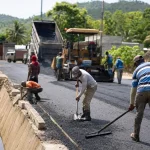
Turamye highlighted several shortcomings in current procurement practices, particularly in infrastructure projects that often neglect the needs of local communities. He pointed to instances where roads are constructed without considering the impact on residents, drainage systems lead to flooding, and borrow pits remain open, creating health hazards. Such oversights not only undermine the potential benefits of public procurement but also exacerbate community challenges. The need for a more inclusive and responsive procurement process was underscored, as it is essential for ensuring that public investments contribute positively to the lives of citizens and the environment.
Engagement and Inclusivity in Procurement
The Suppliers’ Forum, organised by Uganda Development Bank (UDB), aimed to enhance supplier engagement and inclusivity in public procurement. Dr. Patricia Ojangole, Managing Director of UDB, stressed that suppliers should be viewed as strategic partners rather than mere contractors. This perspective is crucial for fostering collaboration that can drive enterprise growth and improve livelihoods across Uganda. The forum provided suppliers with insights into the procurement regulatory framework, encouraging proactive engagement during the bidding process and emphasising the importance of compliance and self-assessment. Such initiatives are vital for building a capable and competitive supplier community aligned with the highest standards of integrity.
Trends Shaping Procurement in Uganda
The forum also addressed emerging trends in procurement across Africa, such as open contracting principles aimed at enhancing transparency and the professionalisation of procurement through dedicated training and certification. The push for local content and sustainable procurement practices was highlighted as essential for aligning public procurement with national development goals. With at least 65 percent of Uganda’s national budget allocated to procurement, the potential for impactful change is significant. By embracing these trends, Uganda can strengthen its procurement processes, ultimately contributing to economic transformation and sustainable development.
IN NUMBERS
The discussions at the Suppliers’ Forum reflect a growing recognition of the importance of effective procurement in fostering sustainable development in Uganda. As the country seeks to enhance its economic landscape, the role of local suppliers and the integrity of procurement processes will be pivotal in achieving these goals.
Reported from independent.co.ug, 2026-08-21. The Tender Wire is published by Otnox.