

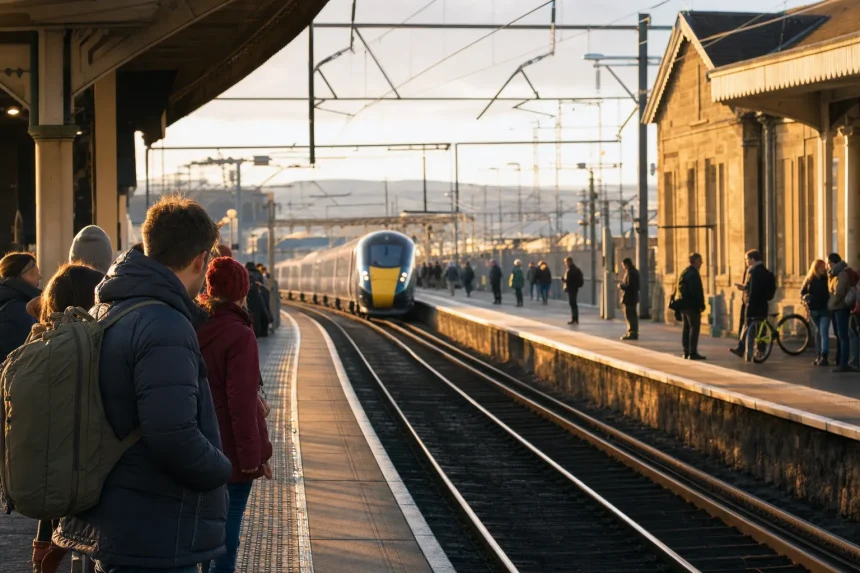
Scotland’s ScotRail is moving forward with a significant procurement initiative to replace its diesel fleet with electric trains. This effort is part of a broader €5 billion investment plan aimed at modernising the country’s rail infrastructure and achieving environmental sustainability.
Overview of the Procurement Process
The procurement process initiated by ScotRail involves selecting manufacturers for a new fleet of electric trains, with a total budget exceeding €500 million. ScotRail has shortlisted several European manufacturers, including CAF, Alstom, Siemens, Hitachi, and Stadler, who will compete for the contract. The new trains are expected to be operational by the early 2030s on various routes, including East Kilbride and Fife. This competitive bidding process highlights the importance of innovation and sustainability in public transport, as the selected trains will incorporate the latest signalling technology and passenger amenities.
Environmental Goals and Specifications
ScotRail’s initiative is driven by a commitment to environmental sustainability, aiming for zero CO2 emissions by 2045. The new electric trains will replace existing diesel units, significantly reducing carbon emissions and contributing to cleaner air. The specifications for the new trains include modern features such as air conditioning, onboard Wi-Fi, and real-time passenger information. Additionally, accessibility improvements are mandated, with provisions for bicycles and wheelchairs. This focus on environmental and social responsibility reflects a growing trend in public procurement, where sustainability is becoming a key criterion.
Long-term Impact on Scottish Rail Infrastructure
The procurement of these new trains is part of a larger €5 billion investment strategy by the Scottish government to modernise its rail network. This investment aims to enhance the efficiency and reliability of rail services across Scotland, ultimately benefiting both commuters and the environment. The introduction of electric trains is expected to stimulate economic growth by creating jobs in manufacturing and maintenance, particularly at CAF’s facility in Newport, Wales, which employs 200 workers. As Scotland continues to invest in its rail infrastructure, the successful implementation of this project could serve as a model for similar initiatives in other regions.
| Label | Value |
|---|---|
| Total Investment | €5 billion |
| Contract Value | €500 million |
| Number of Trains | 106 |
| Target for Zero CO2 Emissions | 2045 |
| CAF Employees in Newport | 200 |
These trains will bring significant environmental benefits, supporting the transition to a cleaner, greener, and more sustainable railway.
WHY IT MATTERS
This procurement represents a significant step towards modernising Scotland’s rail infrastructure and achieving environmental sustainability goals.
Reported from expansion.com, 2026-09-02. The Tender Wire is published by Otnox.