


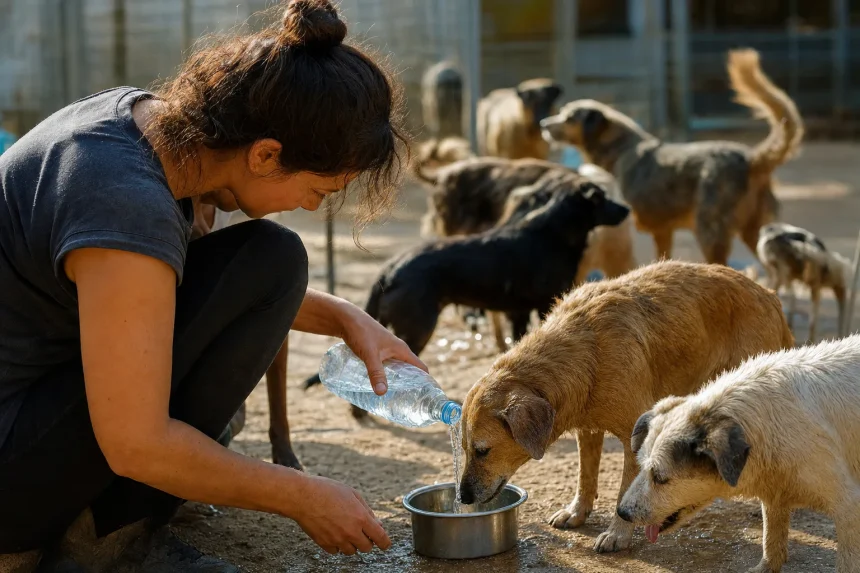
This article examines the upcoming national regulations for animal rescue during disasters in Spain and their implications for public procurement.
Current Situation of Animal Welfare in Emergencies
In Spain, the increasing frequency of wildfires has brought to light the urgent need for a structured approach to animal welfare during emergencies. Reports indicate that over 280,000 hectares have been scorched by 412 wildfires since the beginning of the year. However, there are no official figures on the number of animals affected, both domestic and wild. The existing legal framework lacks specific protocols for animal rescue, leaving volunteers and civil society to fill the void. Activists have highlighted the dire conditions faced by animals during such disasters, emphasising the need for a comprehensive national protocol to ensure their protection and welfare.
Government Initiatives and Legal Framework
The Spanish government’s Law 7/2023 mandates that civil protection plans at the regional level must incorporate animal welfare measures during emergencies. However, the current regulations are vague, offering little guidance on actionable steps. The Ministry of Animal Rights is working on a national protocol, expected to be ready by the end of 2026, to provide clearer directives for local authorities. This initiative aims to ensure that all animals, including wildlife, receive adequate attention during disasters. Despite the government’s inclusion of animal rescue in annual firefighting plans, the effectiveness of these measures remains unassessed, raising concerns among animal welfare advocates.
Challenges and Community Response
Despite legislative efforts, many animal welfare advocates argue that the government’s commitment is insufficient. Activists, such as Jaime Posada from AnimaNaturalis, stress that volunteers are often left to manage rescues and provide care for animals in distress. The lack of a coordinated response has resulted in significant animal casualties during past disasters, such as the 2015 floods in Zaragoza, where over 9,000 animals perished. The community’s response has been commendable, with thousands of volunteers stepping up to assist in animal rescues and provide veterinary care. However, the absence of formal protocols continues to hinder effective action during emergencies.
Looking Ahead: The Need for Effective Protocols
As the deadline for the national protocol approaches, stakeholders are hopeful for a robust framework that addresses the complexities of animal rescue during disasters. The Organisation for Animal Health has emphasised the importance of tailored response plans for different types of natural disasters. While some regions, like the Canary Islands and Murcia, have begun integrating veterinarians into their emergency plans, others are lagging behind. The upcoming protocol could serve as a model for regional and local plans, ensuring that animals are not left behind during crises. The urgency of this initiative is underscored by the ongoing natural disasters that affect both wildlife and domestic animals.
IN NUMBERS
The development of a national protocol for animal rescue in emergencies represents a significant step forward in addressing animal welfare in Spain. As the government finalises these regulations, the hope is that they will lead to a more coordinated and effective response to protect animals during disasters.
Reported from elpais.com, 2026-08-17. The Tender Wire is published by Otnox.