

Guatemala’s airport modernisation programme will direct most of a US$250 million World Bank loan towards safety, resilience and equipment at five airports and aerodromes. The project, to be implemented by the Directorate General of Civil Aeronautics until 2033, also supports a proposed separation of aviation regulation from airport operations.
Funding is weighted towards physical infrastructure
The World Bank’s Executive Board approved the Civil Aviation Recovery Programme on 8 September 2026. Of the US$250 million, US$221.8 million is assigned to safe and resilient airport infrastructure, while US$21 million supports aviation governance and capacity and US$7.2 million covers project implementation. Within the infrastructure component, US$38.4 million is earmarked for urgent aviation safety and emergency preparedness measures, US$178.4 million for wider safety, security and resilience improvements, and US$5 million for smaller interventions at other aerodromes administered by the Directorate General of Civil Aeronautics. The allocation shows how development-bank finance can combine capital works with the institutional capacity needed to operate them.
Five sites will receive works and equipment
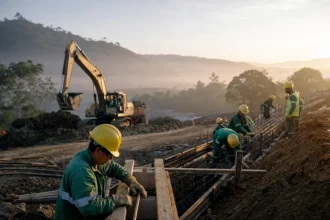
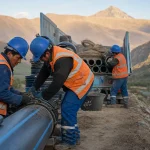
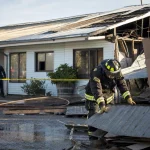
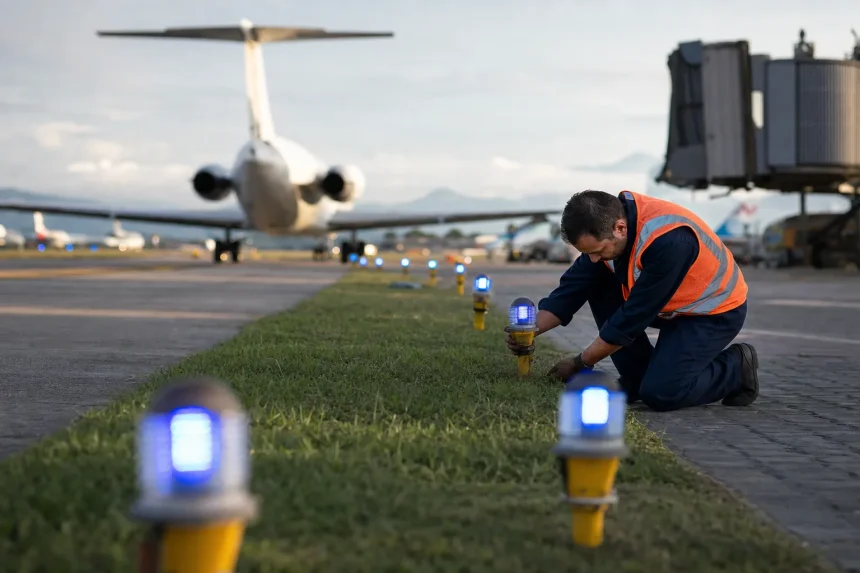
The programme covers La Aurora International Airport in the capital, Mundo Maya International Airport in Petén, and the aerodromes at Puerto Barrios, Quetzaltenango and Huehuetenango. Planned works include repairing runways and aprons, improving drainage for intense rainfall, installing runway lighting and navigation and surveillance equipment, rehabilitating control towers, and buying vehicles and stations for aviation firefighters. The project also includes training, certification and licensing for technical staff, including air traffic controllers and aviation firefighters. For suppliers, the mechanism matters because the World Bank financing is being channelled through a public implementation programme whose scope spans construction, specialist systems, vehicles and workforce capability.
The project responds to safety and resilience gaps
World Bank project documents attribute the investment priorities to years of insufficient investment and maintenance. They identify deteriorating runways and aprons, outdated air-traffic-control and firefighting equipment, lighting and drainage problems, and weaknesses in security infrastructure. A 2024 self-assessment found 30% compliance with the International Civil Aviation Organization’s recommended standards and practices, according to the documentation. La Aurora is particularly vulnerable to intense rainfall, which can flood runways, taxiways and aprons and lead to diverted aircraft. The programme is intended to strengthen Mundo Maya as an alternative airport, since it currently lacks the conditions to receive diverted flights that may otherwise be sent to El Salvador.
Institutional reform is part of the financing
The project goes beyond airport construction. The Directorate General of Civil Aeronautics currently performs both regulatory and operational functions, while international standards call for independence between safety oversight and the operation of airports and air-navigation services. The Government is working on legislation to separate those roles through two entities, with the proposal expected to be presented to Congress before the end of 2026. The financing includes US$9 million specifically to support civil aviation reform, including creating, designing and putting the institutions into operation, as well as preparing a roadmap for future private investment. The World Bank says the programme could benefit more than eight million users.
| Fact | Detail |
|---|---|
| World Bank financing | US$250 million |
| Infrastructure allocation | US$221.8 million |
| Project implementer | Directorate General of Civil Aeronautics |
| Implementation period | Until 2033 |
| Airports and aerodromes covered | La Aurora, Mundo Maya, Puerto Barrios, Quetzaltenango and Huehuetenango |
| 2024 safety self-assessment | 30% compliance with ICAO recommended standards and practices |
| Projected air passengers in 2040 | 11.2 million |
Modernising civil aviation does not only mean improving our airports; it means expanding development opportunities for Guatemala.
WHY IT MATTERS
The programme illustrates how a publicly funded airport upgrade can package works, equipment, staff certification and regulatory reform in one financing structure. It also signals a possible future role for private investment, but the source describes that as a future objective rather than an awarded contract or confirmed market opportunity.
Reported from prensalibre.com, 2026-09-10. The Tender Wire is published by Otnox.