What would change for suppliers and public bodies if Lithuania’s proposed procurement amendments become law?
Cabinet supports a lighter process
Lithuania’s government has backed amendments intended to reduce paperwork in public procurement and make it easier for suppliers to participate. The proposals would cut the number of documents checked in simplified procurements where price is the only assessment criterion. Instead of reviewing every bidder’s documents at that stage, the contracting authority would check those submitted by the supplier offering the lowest price. The Economic and Innovation Ministry said the changes would remove unnecessary administrative barriers while allowing contracting authorities to run procurements more efficiently. The measures are proposals rather than enacted rules: amendments to several procurement and related laws must still be approved by the Seimas.
Supplier declarations would be consolidated
The proposed system would also change how suppliers demonstrate eligibility. Bidders would no longer have to complete the European Single Procurement Document, and could instead confirm in their offer that they meet the applicable requirements. For national security compliance, separate declarations would no longer be required; the necessary information could be supplied together with the bid. The government also wants to establish a public list of reliable suppliers that meet national security requirements. Companies included on that list would not have to submit supporting documents every year. The proposal would assess the purchased object as a whole, rather than checking its individual parts separately.
More scope for local food purchasing
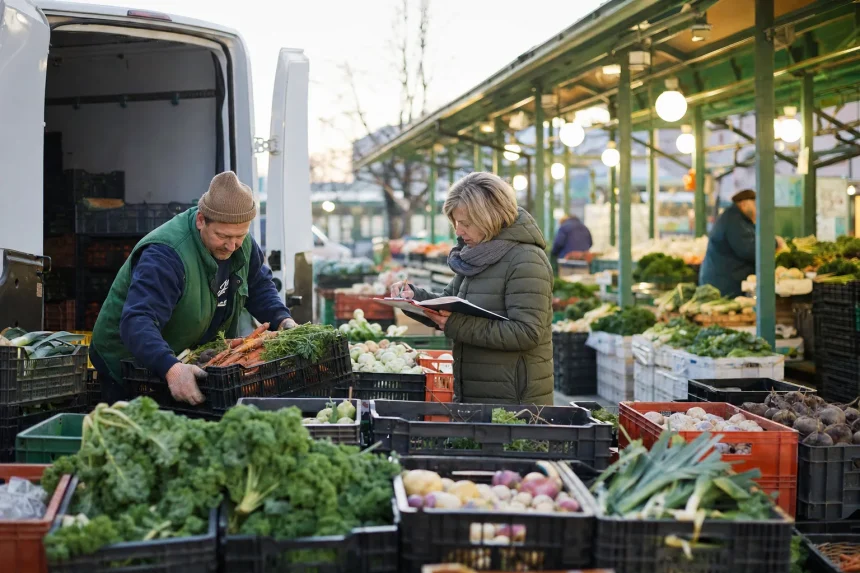
The package would give public bodies more flexibility in some lower-value purchases. Non-governmental organisations would be allowed to buy goods and services worth up to €50,000 excluding VAT without public procurement procedures. Municipalities would be able to purchase food directly, without using centralised procurement, for up to €40,000 excluding VAT. In those cases, standard contract terms would be sufficient. The government also proposes raising the limits for low-value procurements and unpublished requests for quotations, although the source announcement does not specify the proposed new limits. The food measure could make direct purchasing from local producers or suppliers easier.
Parliament must decide on the amendments
The cabinet’s decision does not by itself alter the rules that suppliers and contracting authorities currently follow. The proposed amendments cover the Public Procurement Law, procurement in special sectors, defence and security procurement, financial accounting and the Code of Administrative Offences. They must still receive approval from the Seimas. Until that process is complete, the practical effect for businesses is limited to the government’s stated direction: fewer repeated documents, more information submitted with the offer, and wider scope for certain lower-value or direct purchases. The final wording will determine how those mechanisms operate in practice.
IN NUMBERS
The proposals aim to shift effort from repeated paperwork towards assessing the offer and the purchased object, while retaining formal approval requirements before the changes take effect.
Reported from 15min.lt, 2026-11-18. The Tender Wire is published by Otnox.