


The case shows how public authorities can use administrative review, intergovernmental agreements and land restoration powers to reverse development on protected land.
A formal route towards demolition
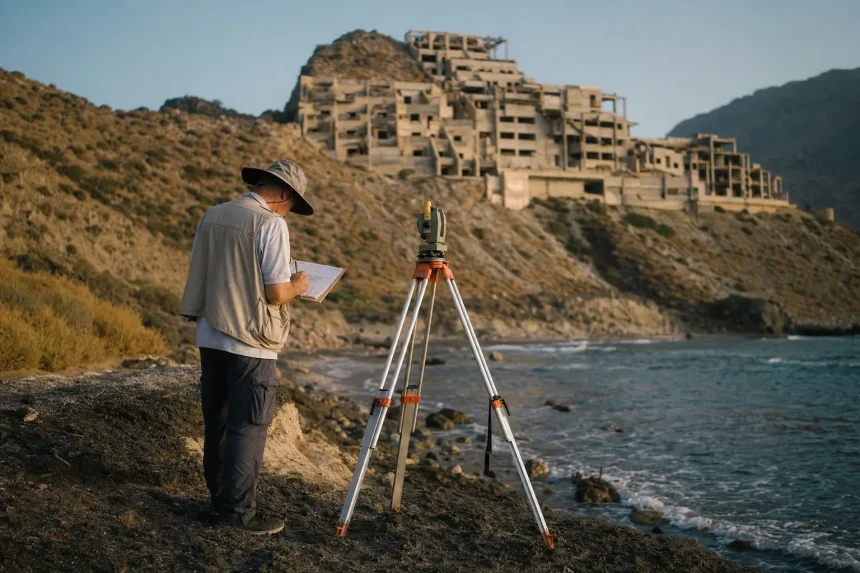
The Junta de Andalucía has opened an administrative file aimed at restoring legality at El Algarrobico, on the beach at Carboneras in Almería. The proposed outcome is the removal of a hotel of around 20 floors and 411 rooms, followed by restoration of the site to its previous condition. The step follows Carboneras council’s decision on 7 July to review the building permit granted in 2003 and declare it void. Andalusia says the procedure is based on the regional territorial planning law, which gives the autonomous community direct powers to defend planning legality where works affect specially protected land or the coast.
The mechanism divides the public work
This is not a new construction tender but a public land-management process involving several administrative actions. A protocol signed by the Spanish government and the Junta in 2011 assigns demolition and removal of rubble to the state, while the Junta is responsible for restoring the land. An inspection report says restoration must also cover services, infrastructure and installations connected to the hotel. The arrangement illustrates how governments can allocate responsibilities between institutions before physical works begin, while a separate expropriation process addresses ownership and compensation issues.
Expropriation remains a point of friction
The building’s owner, Azata del Sol, rejected the government’s proposed valuation for the land, leaving the compensation question with a provincial expropriation tribunal. That body gave the matter a six-month period in March. The Junta has presented cancellation of the licence as the legally safest route towards demolition, and the municipal secretariat and the Andalusian Advisory Council supported the official review before the council adopted its decision. The High Court of Justice of Andalusia had ordered Carboneras to complete the review within 20 working days, adding a judicial timetable to the administrative process.
Appeals may affect the timetable
The council’s decision attracted four appeals during August: one from Azata del Sol and three from former Carboneras mayors, including officials from the PSOE and PP. Those appeals challenge the nullification of the licence, but the source does not report a final ruling on them. Ecologistas en Acción-Almería called the challenges delaying manoeuvres and said the decision remains effective unless a judge rules otherwise. The organisation also cited rulings that it says deny Azata a right to compensation. Those claims are attributed to the group and have not been established by this report.
IN NUMBERS
The next stage is therefore procedural rather than immediate demolition. Authorities must continue the review, resolve the challenges and progress the expropriation route before the responsibilities set out in the 2011 protocol can be fully carried out.
Reported from eldiario.es, 2026-09-08. The Tender Wire is published by Otnox.